Taurine: A Conditionally Essential Molecule at the Crossroads of Longevity, Metabolic Health, and Mo...
Taurine, a sulfur-containing compound often mischaracterized as a typical amino acid, occupies a unique space in human physiology. It is not incorporated into proteins like leucine or valine, yet its contributions to health span nearly every system in the body. Synthesized primarily in the liver from cysteine and methionine, taurine is "conditionally essential" — meaning that under certain physiological or pathological conditions, endogenous synthesis may not suffice, and dietary or supplemental sources become crucial. As interest in longevity, cardiovascular resilience, and metabolic optimization surges, taurine has emerged as a central molecule worthy of both academic and consumer attention.
In this review, we explore taurine’s biochemical significance, its expanding body of research in longevity science, cardiovascular and metabolic function, and its potential as a safe, accessible, and trackable supplement. While taurine is naturally present in foods like meat, fish, and dairy, many are now considering additional supplementation — and with tools like StackTracker, users can monitor their personalized responses and fine-tune protocols using real-world data and intelligent feedback.
1. Biological Roles of Taurine in Human Physiology
1.1 Osmoregulation and Cell Volume Homeostasis
Taurine acts as an organic osmolyte, a molecule that helps cells maintain appropriate hydration and volume in fluctuating environments. This role is critical in tissues like the brain, kidneys, and muscles, where rapid changes in solute concentration could otherwise impair function or trigger cell death. In neurons and glial cells, taurine’s osmoregulatory properties support membrane stabilization and neurotransmission — with emerging implications in neurological health and neuroprotection.
1.2 Bile Salt Conjugation
One of taurine’s most essential — and perhaps underappreciated — functions is its role in bile acid conjugation. Bile acids, synthesized from cholesterol in the liver, require conjugation with taurine (or glycine) to form bile salts, which are essential for lipid digestion and fat-soluble vitamin absorption. Efficient bile salt formation also aids in cholesterol homeostasis and detoxification, linking taurine indirectly to cardiovascular and hepatic health.
1.3 Mitochondrial Support and Energy Metabolism
Taurine is found in high concentrations within mitochondria, particularly in excitable tissues like cardiac and skeletal muscle. It modulates mitochondrial tRNA conjugation and has been shown to prevent mitochondrial dysfunction in both in vitro and in vivo models. A study published in Scientific Reports (Schaffer et al., 2016) demonstrated that taurine supplementation in rodents improved mitochondrial complex I and IV activity, leading to enhanced ATP production and reduced oxidative damage — mechanisms directly relevant to aging and metabolic performance.
1.4 Antioxidant and Anti-inflammatory Effects
Unlike classical antioxidants, taurine does not directly scavenge free radicals. Instead, it modulates inflammation and oxidative stress by forming taurine chloramine (TauCl) in neutrophils, which downregulates the production of pro-inflammatory cytokines. This indirect antioxidant pathway allows taurine to maintain redox balance without interfering with beneficial reactive oxygen species (ROS) signaling, which is essential for processes like muscle adaptation and immune surveillance.
2. Taurine and Longevity: What the Data Suggest
One of the most compelling studies on taurine and aging emerged in Science (Singh et al., 2023), where researchers administered taurine to mice, monkeys, and C. elegans, observing significant improvements in lifespan and healthspan. In mice, taurine supplementation extended lifespan by 10–12% in both sexes. Notably, older mice exhibited improvements in bone density, muscle strength, glucose tolerance, and immune function — all hallmarks of healthy aging. In rhesus monkeys, taurine supplementation improved markers of liver, muscle, and metabolic health, although long-term lifespan data remain pending in primates.
While human data remain limited, this study aligns with cross-sectional findings showing that higher taurine levels in humans are associated with lower body mass index (BMI), reduced inflammation, and improved lipid profiles. Importantly, taurine levels decline with age, suggesting a potential causal link rather than mere correlation.
3. Cardiovascular and Metabolic Health
3.1 Blood Pressure and Lipid Profiles
Several clinical trials and observational studies suggest taurine has beneficial effects on cardiovascular markers. A double-blind, placebo-controlled study (Hypertension Research, Yamori et al., 2001) reported that taurine supplementation (6g/day) significantly reduced systolic blood pressure in hypertensive patients. This effect is likely mediated by improved endothelial function, reduced vascular resistance, and enhanced nitric oxide bioavailability.
Moreover, taurine appears to influence lipid metabolism. It increases hepatic LDL receptor expression and reduces serum triglycerides, likely by modulating bile acid production and mitochondrial fatty acid oxidation. These lipid-lowering effects were observed in both animal studies and small human cohorts with metabolic syndrome.
3.2 Insulin Sensitivity and Glucose Regulation
In rodent models of obesity and insulin resistance, taurine supplementation improved glucose tolerance and increased insulin sensitivity. Mechanistically, taurine upregulates GLUT4 expression in muscle cells and decreases pro-inflammatory signaling in adipose tissue. A 2020 meta-analysis (Nutrition & Metabolism) highlighted that taurine supplementation in humans could reduce fasting glucose and improve insulin indices, though larger trials are still needed.
These combined benefits make taurine a promising adjunct in the management — or even prevention — of metabolic syndrome, type 2 diabetes, and associated vascular complications.
4. Taurine and Physical Performance
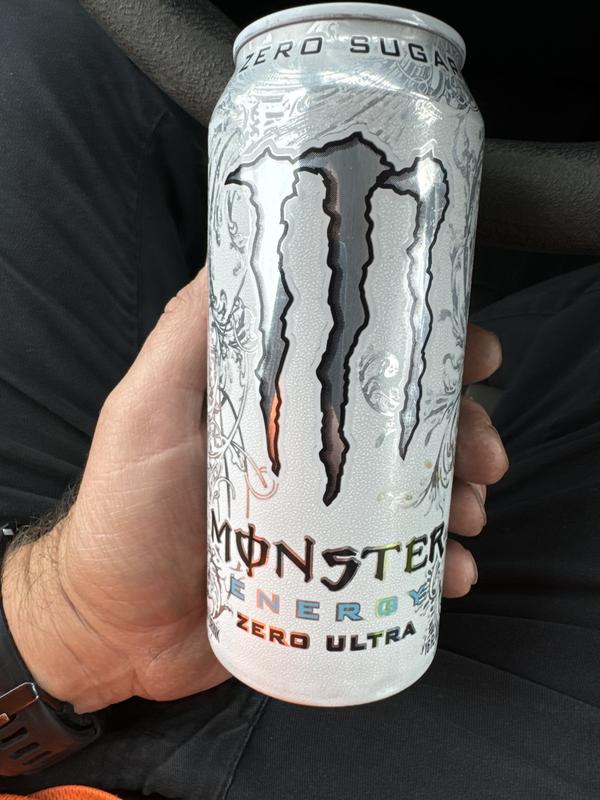
Athletes have long used taurine as a performance enhancer — often in energy drinks — though its mechanisms differ from stimulants like caffeine. Taurine improves muscle contractility, delays fatigue, and supports calcium handling in muscle fibers. In a randomized crossover study published in Amino Acids (2012), participants taking 1g of taurine before exercise exhibited reduced oxidative stress markers and perceived exertion, suggesting improved endurance.
Beyond performance, taurine’s role in reducing exercise-induced muscle damage and accelerating recovery is gaining attention. Its mitochondrial and anti-inflammatory effects may protect against the cellular stress induced by intense training, supporting athletic performance and long-term musculoskeletal health.
5. Safety Profile and Supplementation Guidelines
Taurine is remarkably safe. The European Food Safety Authority (EFSA) and FDA have both concluded that taurine is non-toxic at standard supplemental doses (500 mg to 3 g/day). Doses up to 6 g/day have been used in clinical trials without adverse effects. Unlike other supplements that risk building toxicity or imbalances over time, taurine appears to have a ceiling of efficacy, with excess amounts excreted through the kidneys.
While individual needs may vary based on age, diet (vegans and vegetarians typically consume less taurine), and health status, taurine is an ideal candidate for long-term supplementation due to its safety and systemic benefits.
6. Tracking Personalized Responses with StackTracker
Despite its safety and general efficacy, taurine's impact can still vary across individuals. Factors such as genetic polymorphisms, dietary background, microbiome composition, and concurrent supplement regimens can all influence how taurine is absorbed, metabolized, and utilized.
This is where personalized tools like StackTracker come into play. StackTracker allows users to log their taurine intake, record subjective experiences, track biomarkers (such as blood pressure or fasting glucose), and monitor physical performance over time. By correlating supplementation with health outcomes, users can fine-tune their protocols — identifying when taurine makes a measurable difference or when adjustments are needed. Whether you're exploring taurine for metabolic support, athletic enhancement, or longevity purposes, consistent logging paired with AI-generated feedback can turn anecdotal routines into informed self-experimentation.
7. Conclusion
Taurine is not just another buzzword in the supplement space. It’s a multifunctional molecule with decades of biochemical validation and an expanding portfolio of clinical relevance. From osmoregulation to mitochondrial health, from bile conjugation to blood pressure modulation, taurine supports the structural and metabolic integrity of the body — particularly as we age.
Its emerging reputation in longevity research, supported by compelling animal studies and promising human data, underscores the need for further investigation and broader adoption. Given its low cost, high safety margin, and diverse physiological benefits, taurine represents a rare opportunity in the supplement world: a compound backed by strong mechanistic rationale, scalable to population health, and easy to track through platforms like StackTracker.
As research continues to illuminate its role in aging and chronic disease prevention, taurine may soon take its place alongside magnesium, creatine, and omega-3s as a foundational pillar in modern health optimization.
References
-
Singh, R., et al. (2023). Taurine deficiency as a driver of aging. Science, 380(6649), eabn9257. https://doi.org/10.1126/science.abn9257
-
Yamori, Y., et al. (2001). Taurine and blood pressure in normotensive and hypertensive rats. Hypertension Research, 24(6), 749–755. https://doi.org/10.1291/hypres.24.749
-
Schaffer, S., & Jong, C. J. (2016). Taurine and mitochondria: A review of the role of taurine in mitochondrial function. Scientific Reports, 6, 28286. https://doi.org/10.1038/srep28286
-
Rosa, F. T., et al. (2012). Effect of taurine supplementation on oxidative stress parameters after acute exercise in humans. Amino Acids, 43, 769–775. https://doi.org/10.1007/s00726-011-1110-z
-
Zhang, M., et al. (2020). Taurine supplementation improves metabolic parameters in patients with type 2 diabetes: A meta-analysis of randomized controlled trials. Nutrition & Metabolism, 17, 25. https://doi.org/10.1186/s12986-020-00443-5
Would you like a Twitter/Threads-style thread derived from this post next?