Background
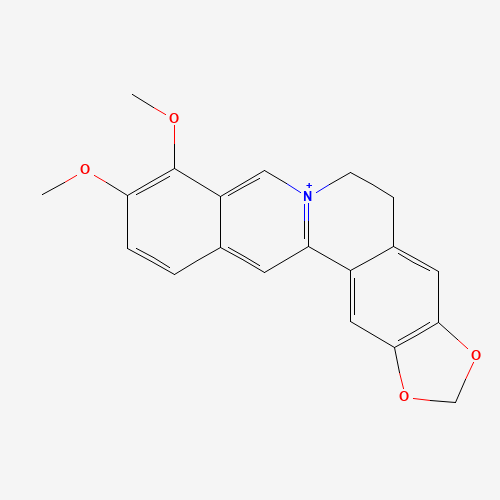
Berberine is an isoquinoline alkaloid found in plants such as barberry, goldenseal, and Oregon grape. It has a long history in traditional medicine systems, but the modern supplement conversation is less about heritage use and more about whether purified berberine meaningfully improves common metabolic markers in adults trying to avoid a medication-first approach.
Evidence snapshot
Meta-analyses in adults with type 2 diabetes and dyslipidemia suggest berberine can improve fasting glucose, HbA1c, LDL cholesterol, and triglycerides, but the average effect size is modest rather than dramatic.
Most of the practical downside is gastrointestinal: nausea, cramping, constipation, or diarrhea are common reasons people stop early.
The mechanism story is interesting, including AMPK activation and gut microbiome effects, but the usable decision point is still whether your own glucose, lipids, and digestion improve over 8 to 12 weeks.
Where berberine fits best
Berberine is usually most interesting when someone already has a measurable metabolic issue to track, such as elevated fasting glucose, higher post-meal excursions, elevated triglycerides, or borderline LDL. It is a weaker fit for the person who is already metabolically healthy and is mainly hoping for a vague longevity effect.
That distinction matters for your audience. Health-conscious adults over 25 often do better with supplements that can be judged against clear signals. Berberine works best when there is a baseline problem, a reason to intervene, and a defined window for reassessment.
Tolerability is the real filter
Berberine is not hard to find, but it can be hard to stay on. GI complaints are common enough that the winning strategy is often conservative dosing and honest self-observation rather than chasing the most aggressive label dose.
If a person cannot tolerate it, or if they are already on prescriptions that affect glucose or drug metabolism, berberine stops being a casual wellness experiment and becomes a clinician-level conversation.
How to run a useful trial
A useful berberine trial is structured. Pick the dose, timing, and intended outcome before starting. If the target is post-meal glucose, get a few days of baseline readings first. If the target is lipids, set a timeline for repeat labs.
Without that structure, berberine tends to become another bottle that feels responsible without proving much.
Compound variations
Berberine HCl
The standard supplemental form used in most commercial products and much of the human trial literature.
Common use case
People who want the most common, easiest-to-compare form.
Dosage note
Often split across two or three meal-time doses because GI tolerance can be the limiting factor.
Dihydroberberine
A newer derivative marketed for absorption and tolerance, but with a much smaller evidence base than standard berberine.
Common use case
People who could not tolerate berberine HCl and want an alternative to discuss.
Dosage note
Do not assume dose equivalence with berberine HCl without product-specific guidance.
Dosage and best practices
Dosage principles
- Many trials use 900 to 1500 mg per day split with meals rather than one large dose.
- Starting lower often improves adherence because GI side effects are dose-limiting for many people.
- If you already use glucose-lowering medication, do not layer berberine in casually.
Best practices
- Take it with meals if your goal is post-meal glucose support.
- Use a simple before-and-after plan: fasting glucose, post-meal readings, digestion, and waist or weight trend if relevant.
- Reassess after 8 to 12 weeks instead of letting it become an unmeasured permanent add-on.
Literature and references
The Effect of Berberine on Metabolic Profiles in Type 2 Diabetic Patients: A Systematic Review and Meta-Analysis of Randomized Controlled Trials
Evid Based Complement Alternat Med • 2021
Systematic review and meta-analysis found significant improvements across several glycemic and metabolic markers in adults with type 2 diabetes.
Overall and Sex-Specific Effect of Berberine for the Treatment of Dyslipidemia in Adults: A Systematic Review and Meta-Analysis of Randomized Placebo-Controlled Trials
Drugs • 2023
Reported modest LDL, total cholesterol, and triglyceride reductions in adults, with gastrointestinal complaints more common than serious adverse events.
The mechanism of berberine alleviating metabolic disorder based on gut microbiome
Front Cell Infect Microbiol • 2022
Review outlining how berberine may influence bile acid signaling, short-chain fatty acids, inflammation, and insulin sensitivity through gut-mediated effects.
Berberine
LiverTox • 2020
NIDDK reference covering compound background, structure, use cases, and currently documented liver safety considerations.
Common questions
Is berberine basically a natural substitute for metformin?
No. The comparison comes up because both are discussed around glucose regulation, but they are different compounds with different evidence bases, pharmacology, and interaction profiles. Berberine should not be framed as a drop-in replacement for prescribed care.
How quickly should someone notice a difference?
GI side effects can show up within days. Glucose responses may become clearer within a couple of weeks if you are measuring them. Lipid changes usually require a longer window and repeat labs.
Who is the wrong fit for berberine?
People with no meaningful metabolic issue to track, people prone to GI intolerance, and anyone already on medication where adding a second glucose-active compound could create risk.