Most people who train seriously spend real money on recovery. Cold plunges, red light panels, recovery drinks, compression boots, and a supplement stack that has grown by accretion over years. Ask...
Recovery Without the Guesswork

Most people who train seriously spend real money on recovery. Cold plunges, red light panels, recovery drinks, compression boots, and a supplement stack that has grown by accretion over years. Ask what any of it actually changed, and the answer is usually something like, “my legs felt fresh Monday” or “I just feel better on it.”
That is attribution error with a price tag.
Recovery is where placebo, regression to the mean, and wishful thinking are most likely to mislead you. You add a supplement during a lighter training week, sleep an extra hour, feel better, and credit the supplement. You buy a cold plunge, use it twice while feeling good, and decide it works. Without tracking the variables that actually reflect recovery status, over enough time to separate signal from noise, you are making protocol decisions based on vibes.
This is about what recovery actually is, which signals tell you it is happening, what interventions have honest evidence behind them, and how to structure your own experiments so you stop guessing.
What Recovery Actually Is
Recovery is not a passive state of not-training. It is a set of active physiological processes that have to run to completion before adaptation, performance, and tolerance of another training dose can happen.
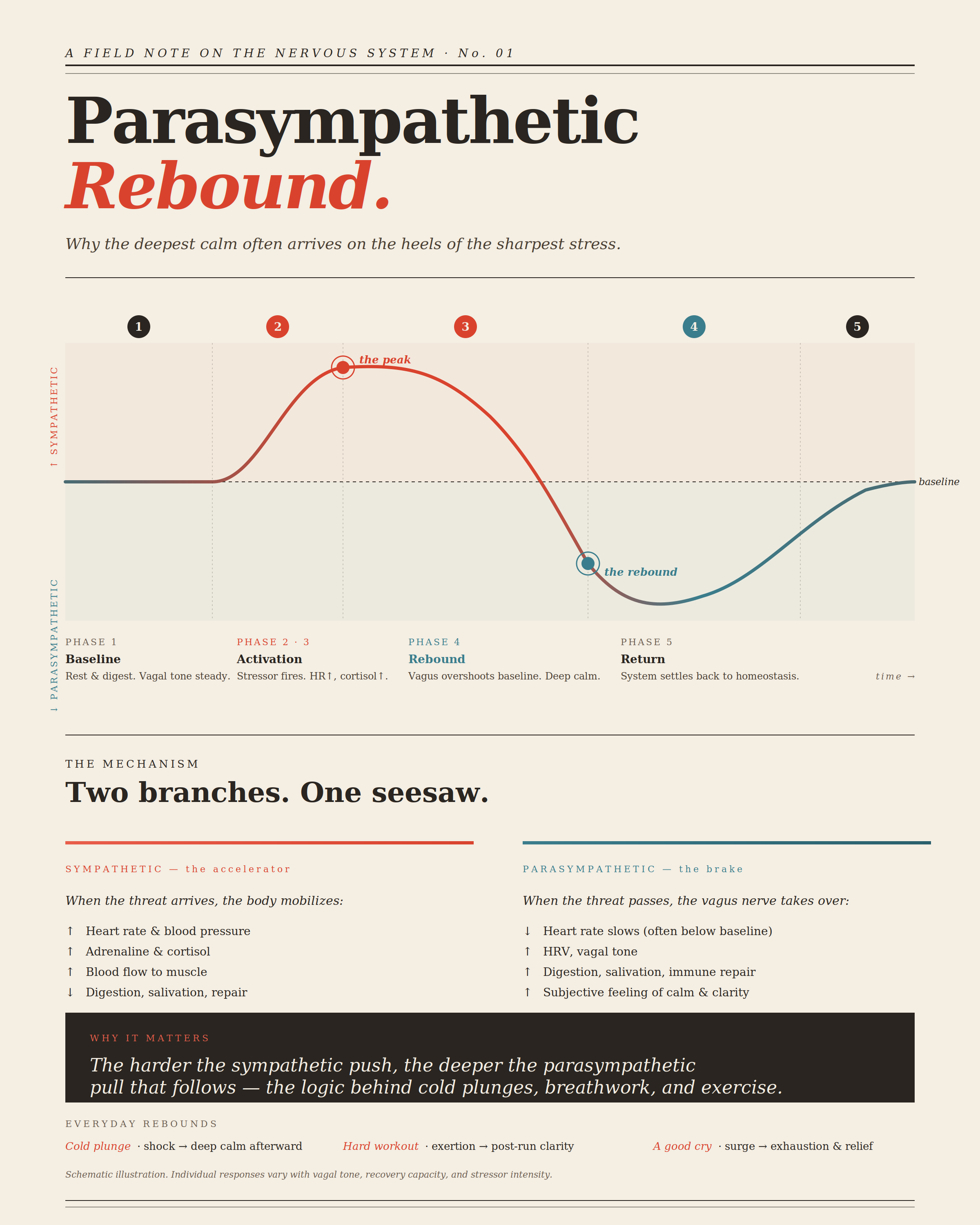
Parasympathetic rebound. Hard training shifts autonomic balance toward sympathetic dominance, with elevated heart rate, cortisol, and catecholamines. Recovery begins when parasympathetic tone reasserts itself. Heart rate variability is the most accessible proxy for tracking that shift. A single morning HRV reading tells you almost nothing. What matters is your rolling baseline and the direction of change across consecutive days. A sustained multi-day HRV downtrend paired with elevated resting heart rate during a heavy block is informative. One low morning reading is noise.
Inflammatory clearance. Intense or eccentric loading triggers a predictable cascade: interleukin-6 rises acutely, followed by C-reactive protein and downstream markers. This is normal and necessary for adaptation. The problem is when clearance lags behind load because volume is too high, sleep is too short, or nutrition is inadequate. Chronically elevated hs-CRP, or CK that remains elevated well beyond the expected post-session window, suggests the clearance process is not keeping pace with the stress being applied.
Protein degradation and resynthesis. Mechanical damage to contractile proteins gets cleared through the ubiquitin-proteasome system and autophagy, then rebuilt through muscle protein synthesis. That process requires amino acids, sufficient total energy, and sleep. Slow-wave sleep is particularly relevant because it supports growth hormone pulses and the anabolic signaling that drives resynthesis. Compress sleep and you are limiting this process regardless of what else you take.
Glycogen replenishment. High-intensity work depletes muscle glycogen. Full replenishment takes roughly 24 to 48 hours depending on carbohydrate intake and training density. If you train twice per day or compete across consecutive days, replenishment rate is a real performance constraint. If you train once per day, total daily carbohydrate intake usually matters more than post-workout timing precision.
Hormonal normalization. Cortisol should rise acutely with training and return toward baseline within a few hours. When it stays elevated chronically, the testosterone-to-cortisol ratio shifts in a direction that does not favor recovery or adaptation. During prolonged hard blocks, caloric restriction, or unexplained persistent fatigue, total and free testosterone can add useful context. Ferritin belongs in the same conversation. Low ferritin can suppress aerobic capacity and slow recovery even when hemoglobin sits technically within the normal range.
Signals Worth Tracking
You do not need to track everything. You need enough signals to tell whether a change actually moved something meaningful.
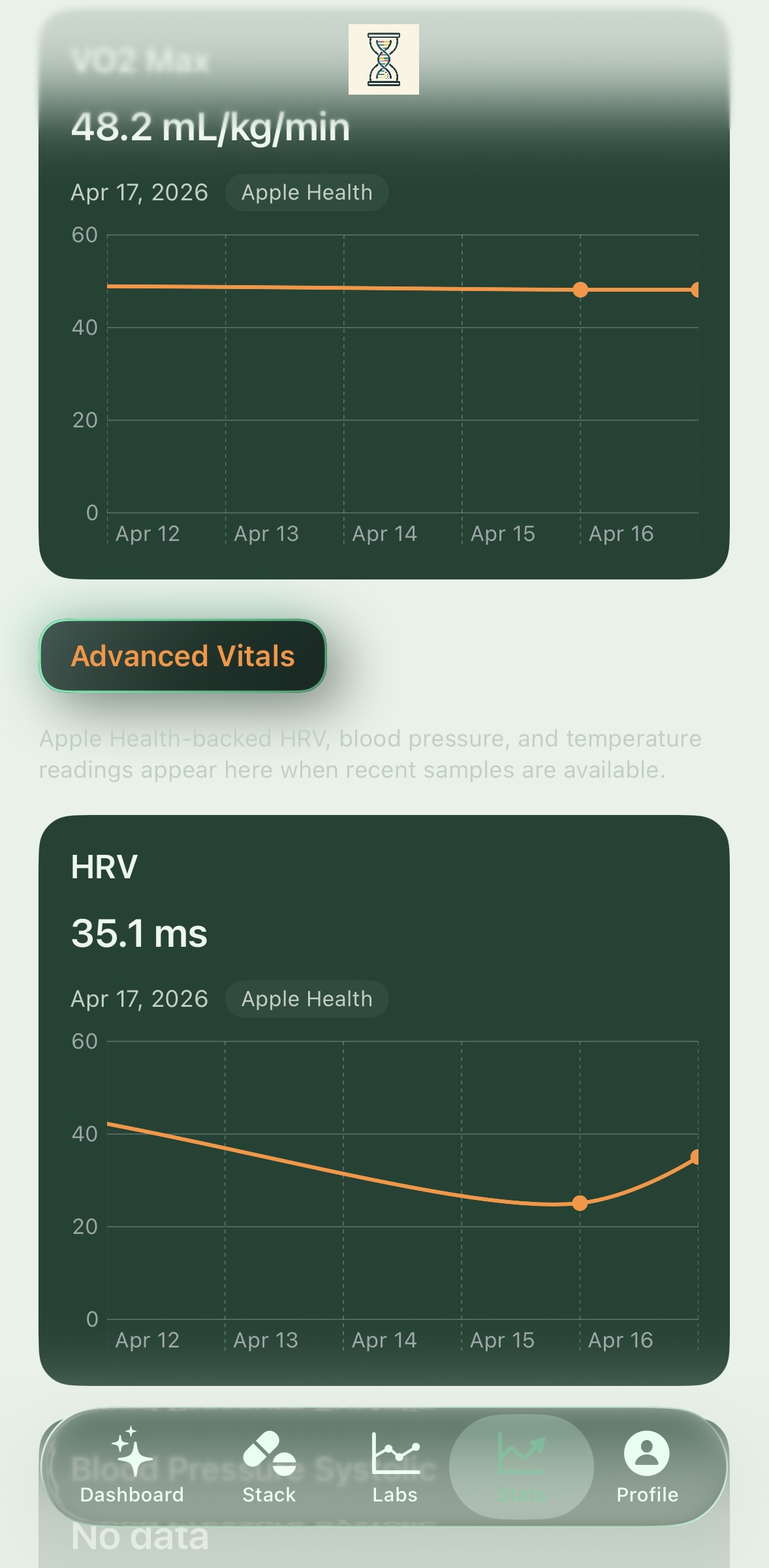
HRV and resting heart rate. Measure at the same time each morning, with the same device, before standing. The absolute number matters less than your personal baseline and the direction of deviation. Establish a four-week baseline first, then watch for sustained departures. A multi-day HRV drop alongside a rising resting heart rate, especially when soreness and perceived fatigue are also elevated, is a signal worth acting on. Consumer wearables typically use RMSSD rather than clinical SDNN, which means absolute values are not directly comparable across devices. Within-device trends over weeks are what matter.
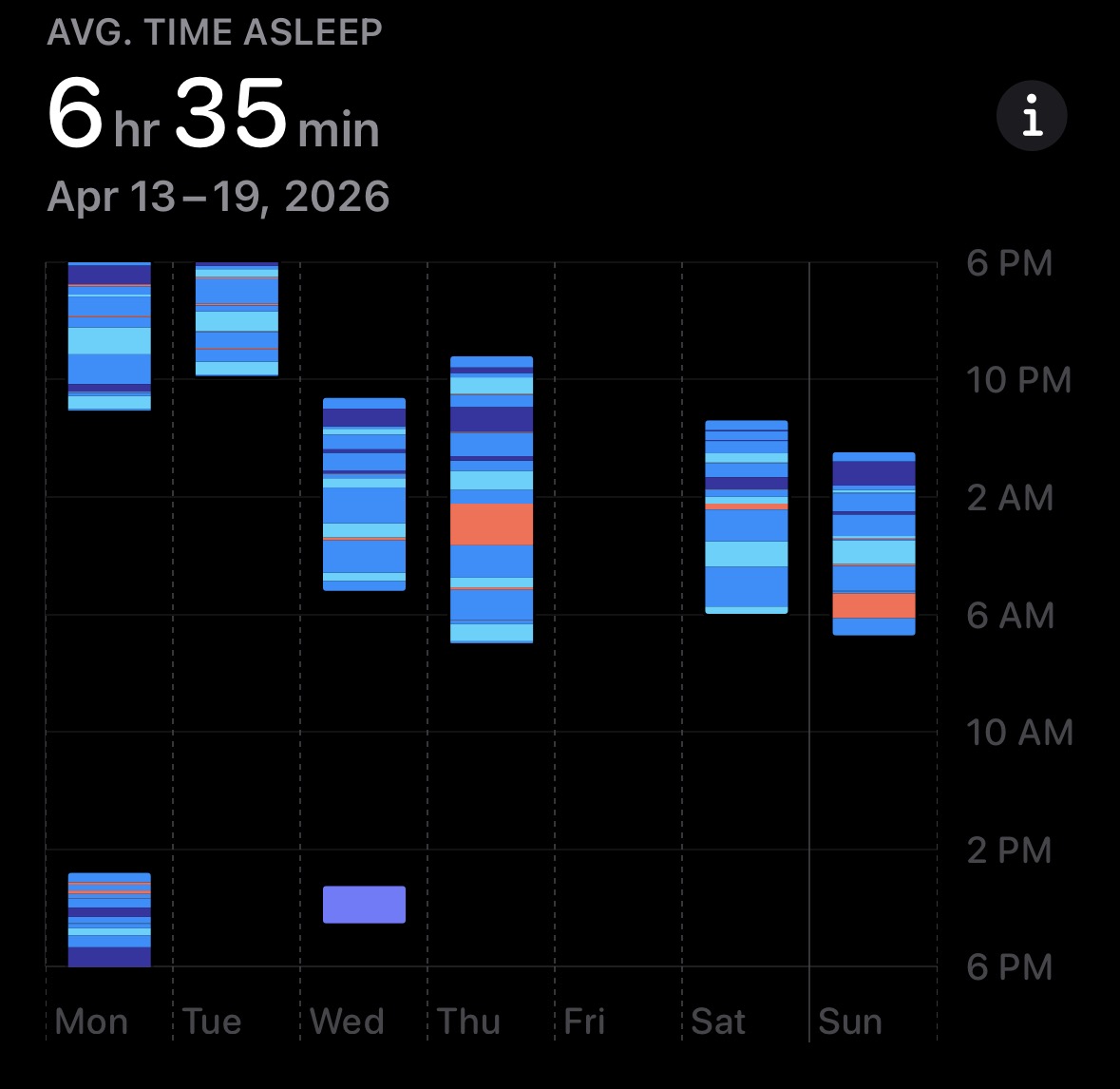
Sleep architecture. Total duration is the first variable. After that, slow-wave sleep and REM add context. Slow-wave sleep is when growth hormone release peaks and protein synthesis signaling is highest. REM matters for mood, nervous system recovery, and cognitive consolidation. Wearable sleep staging is imperfect, but trends across weeks are still informative. The most common suppressors in serious trainees: alcohol, inconsistent wake times, and hard training sessions within two to three hours of bed.
Subjective check-ins. Daily ratings of soreness, energy, motivation, and readiness often catch what wearables miss, particularly localized muscle fatigue that does not register in autonomic data. Keep the format structured and consistent, something like a 1-to-5 scale for each dimension, applied at the same point in your day. The value is the pattern across weeks, not the number on any single morning. StackTracker’s qualitative check-ins are built for this, because the signal comes from structured inputs sitting alongside supplement logs, lab uploads, and wearable data, not from a soreness rating in isolation.
Training output. This is the most honest recovery metric because it reflects what you are actually trying to preserve. Track bar speed, top-set performance, pace at a target heart rate, or interval completion at target power. If output is declining while HRV looks fine, the wearable data is incomplete. If output is stable while HRV looks poor, your body may be compensating in ways that will eventually catch up. Both patterns are useful to know.
Lab markers, with realistic cadence. Labs are most useful when fatigue is persistent, training volume is high, or you are testing a specific hypothesis. Running every marker every month generates noise and cost without proportional signal.
Cortisol: morning serum cortisol for chronic stress context. One draw during a heavy block compared with one during a deload is more informative than frequent spot checks, which are highly variable by time of day and acute circumstances.
hs-CRP: systemic inflammation. Useful at the start and end of a training cycle, or when soreness persists beyond what the training load should explain.
CK: muscle damage. Most useful after competition or novel eccentric loading, not as a routine quarterly marker.
Ferritin: iron stores and training capacity. Quarterly is usually adequate unless you are menstruating, donating blood, or correcting a known deficiency.
Total and free testosterone: anabolic context during prolonged hard blocks. Twice yearly during consistent training is reasonable for most people.
25-OH vitamin D: once or twice yearly, more frequently if correcting a documented deficiency.
Without a personal baseline, a lab result is largely context-free. The comparison across time is where the signal lives.
Interventions, Graded by Evidence

A person using a sauna or cold plunge for recovery.
Evidence grades here reflect replication in randomized controlled trials in trained humans, effect sizes, and whether the mechanism holds up in actual human data rather than just in vitro or animal models.
Sleep: Strong Evidence
Nothing in the supplement or modality categories comes close to adequate sleep in terms of effect size on recovery. Seven to nine hours is the practical range for adults under meaningful training load, with a consistent wake time anchoring circadian rhythm and protecting slow-wave architecture.
For trained people who already know the basics, the useful questions are more specific. What is suppressing deep sleep? Is alcohol reducing slow-wave sleep and HRV the following morning? Is late training compressing sleep onset? Is the room too warm? These levers produce larger effects than adding another recovery compound on top of poor sleep hygiene.
Protein Adequacy and Nutrition Timing: Strong Evidence
For hard training, 1.6 to 2.2 g/kg/day of protein covers the well-supported range, with some evidence for the higher end during caloric restriction or very high volume phases. A leucine-rich protein dose of around 40 grams in the post-training window addresses the acute synthesis signal, but total daily intake matters more than perfect timing for most training structures.
Carbohydrate timing becomes more important when sessions are close together. If you train twice per day or compete across consecutive days, glycogen replenishment rate is a real constraint. If you train once per day, total daily carbohydrate intake is usually the more meaningful variable than the specific post-workout window.
Creatine Monohydrate: Strong Evidence
Creatine increases phosphocreatine availability in muscle, which accelerates ATP resynthesis during high-intensity efforts. Beyond performance, multiple trials show reduced exercise-induced muscle damage markers, lower CK elevation after eccentric loading, and faster recovery of force output between sessions.
The evidence-supported dose is 3 to 5 g daily. No loading phase is required for most purposes. Monohydrate is the form with the research base. There is no compelling evidence to pay more for alternatives marketed as superior.
For more on dosing and timing across training phases, the creatine guide covers the relevant details.
Omega-3 Fatty Acids: Moderate Evidence
EPA and DHA reduce prostaglandin synthesis through competitive inhibition of the arachidonic acid pathway. In several trials in trained subjects, that mechanism translates to lower delayed-onset muscle soreness and attenuated inflammatory markers after hard or eccentric work.
The relevant dose is 2 to 4 g combined EPA and DHA per day, not total fish oil weight. Most standard capsules contain far less EPA and DHA than the label implies at first glance, so reading the actual supplement facts panel matters. The effect is more likely to be meaningful if your baseline omega-3 index is low, which is common in people not eating fatty fish multiple times per week.
Magnesium: Moderate Evidence
Magnesium is a cofactor in hundreds of enzymatic reactions, including ATP synthesis, protein synthesis, and neuromuscular signaling. Deficiency is common in people with high sweat losses and low vegetable intake, which describes a lot of serious trainees.
Evidence for improved sleep quality, reduced cramping, and better recovery is most consistent in people who are deficient or borderline. Typical dosing is 200 to 400 mg elemental magnesium daily. Glycinate is generally better tolerated than oxide or citrate for daily use. Magnesium threonate has some evidence for sleep-adjacent and cognitive applications specifically. Oxide has poor bioavailability and is mostly relevant as a laxative, not a recovery supplement.
Vitamin D: Moderate to Strong Evidence in Deficiency
Vitamin D deficiency is common in training populations, particularly among people who train indoors or live at higher latitudes. Deficiency is associated with reduced muscle function, impaired immune response, and worse recovery outcomes.
Correcting a documented deficiency has solid evidence behind it. Supplementing above sufficiency in people who are already replete does not have consistent evidence of additional benefit. The protocol is straightforward: test, correct if needed, retest to confirm.
Tart Cherry: Moderate Evidence
Tart cherry concentrate and powder have a reasonable evidence base for reducing delayed-onset muscle soreness and attenuating CK elevation after hard efforts, including marathon running and resistance training. The proposed mechanism involves anthocyanin-mediated reduction in oxidative stress and inflammatory signaling.
Studies have generally used around 30 mL of concentrate twice daily or an equivalent powder dose. This is most useful around a hard competition block or high-volume week, not as a permanent daily supplement. It also adds a meaningful sugar load, which may or may not fit the nutritional context of a given training phase.
Curcumin: Weak to Moderate Evidence
Curcumin has well-characterized anti-inflammatory mechanisms in cell culture and animal models. Human recovery data is more modest: some reduction in soreness and CK, but typically small effect sizes. Standard curcumin has poor oral bioavailability. Better-studied formulations include Theracurmin, Meriva, and BCM-95. Expect a small, real effect rather than a dramatic one, particularly as an adjunct to the higher-priority interventions above.
Ashwagandha: Moderate Evidence
KSM-66 and Sensoril are the extracts with the most consistent evidence. In chronically stressed populations, they show reduced perceived stress, lower morning cortisol, and modest improvements in sleep quality. A 2019 randomized trial found a 27.9 percent reduction in serum cortisol with 600 mg/day of KSM-66 versus placebo in adults with chronic stress.
The most relevant application is managing accumulated stress during a prolonged hard training block. If cortisol is not meaningfully elevated to begin with, the detectable effect will be smaller. This is a tool for chronic load management, not an acute post-workout intervention.
The ashwagandha guide covers the evidence on dosing and timing in training contexts in more depth.
Sauna: Moderate Evidence
Post-exercise sauna is associated with heat shock protein upregulation, improved circulation, and subjective recovery benefits in some trials. There is also evidence for cardiovascular adaptation with regular use over weeks.
The practical constraint is hydration and sleep timing. Sauna late in the evening can delay sleep onset by keeping core temperature elevated. Dehydration from a session you did not account for in fluid intake adds physiological stress rather than reducing it. Whether sauna actually helps your recovery is a question your own HRV, sleep quality, and soreness data can answer over a few weeks of consistent use, which is a more reliable approach than deciding based on how you feel the first three times.
Cold Water Immersion: Weak to Moderate Evidence, With a Real Tradeoff
Cold water immersion reduces acute soreness and perceived fatigue in multiple trials, likely by reducing peripheral blood flow and attenuating inflammatory signaling. The tradeoff is that the same mechanism may blunt some of the hypertrophic and strength adaptation signaling that follows training.
The interference risk is highest within the first few hours after a session aimed at strength or hypertrophy. Cold exposure the following morning or on rest days has less evidence of adaptation interference while still providing some recovery benefit. Cold immersion is most defensible when short-term performance recovery matters more than long-term adaptation, such as during competition blocks or multi-day events where you need to perform again in 24 hours.
Zone-2 and Active Recovery: Moderate Evidence
Low-intensity aerobic work improves circulation, supports metabolic clearance, and maintains a parasympathetic bias without adding meaningful training stress. The constraint is keeping the intensity genuinely low. Drift into moderate effort and active recovery becomes another stressor.
For most people, this means a conversational pace and heart rate well below lactate threshold. The goal is circulation and mild nervous system engagement, not fitness stimulus.
Planned Deloads: Strong Practical Support
Accumulated fatigue suppresses performance, HRV, and hormonal markers in ways that do not resolve with a single rest day. Planned volume reductions every three to six weeks, depending on training intensity and accumulated load, allow fatigue to dissipate while fitness is largely retained.
The HRV and performance data on deload weeks consistently show that the perceived loss of fitness is not matched by actual performance loss when hard training resumes. The people who skip deloads most confidently are often the ones whose HRV baselines have been quietly trending downward for weeks without their noticing.
What Does Not Hold Up
Proprietary recovery drinks. Most are carbohydrate, electrolytes, and branding at a significant markup. The carbohydrate works. The branded recovery matrix does not add meaningfully beyond that.
Red light therapy for systemic recovery. The evidence is most consistent for wound healing, localized joint pain, and some dermatological applications. For whole-body recovery in trained athletes, the controlled human evidence is thin and effect sizes are small. The mechanism is plausible. The broad recovery claims are ahead of the data.
Untracked cold plunges. Cold exposure can feel like recovery. Whether it improves your HRV trajectory, reduces your soreness curve, or improves training output over weeks is a question that requires data to answer, not a question that can be resolved by how you feel getting out of the tub.
Attribution without controls. The most common confound in recovery self-experimentation is changing one thing during a week when sleep, nutrition, and training load also shift, then crediting the one thing you consciously added. Tracking all relevant variables simultaneously is the only way to separate the signal from the noise.
Peptides and More Aggressive Protocols
BPC-157 and TB-500 are the most commonly discussed peptides in recovery and injury contexts. The honest summary: the mechanism is interesting, the animal data is genuinely intriguing, and the human trial evidence base is not there yet.
BPC-157 has compelling rodent data for tendon, ligament, and gut tissue repair. Published randomized human trials are essentially absent. TB-500, a thymosin beta-4 fragment, has similar animal-model evidence and the same gap in human controlled trials. Regulatory status varies by country, and in the US, neither is approved for human use.
That places them in a fundamentally different category from creatine, protein adequacy, or even tart cherry. If someone is experimenting anyway, the minimum responsible approach is to establish a clean baseline on HRV, sleep, soreness, and relevant labs before starting, change one variable at a time, and log outcomes systematically enough to separate real signal from expectation and placebo.
Why Tracking Matters Most Here
Recovery is the domain where tracking pays off the most, because effect sizes are usually modest, timelines are long, and confounds are everywhere.
The difference between a spreadsheet and a purpose-built system is not convenience. It is the ability to see patterns across time that are invisible in any single data point: whether HRV trended up over six weeks after adding magnesium, whether soreness dropped during tart cherry use around a hard block, whether sauna correlated with better readiness or just felt good.
MicrosTracker connects supplement logs, lab uploads, qualitative check-ins, and wearable data in one place. If you use an Apple Watch or similar device, Apple Health sync can pull HRV and resting heart rate automatically, so you are not manually entering the data you are most likely to forget. The point is not to prove a protocol works. The point is to tell the difference between a real trend and a good Monday morning.
A Starting Experiment
Pick one variable you have not tested cleanly. Add creatine if you have been skipping it, correct magnesium if intake is probably low, or run tart cherry around your next hard week. Then track HRV, resting heart rate, sleep, soreness, and training output for two to four weeks before deciding whether it earned a place in your protocol.