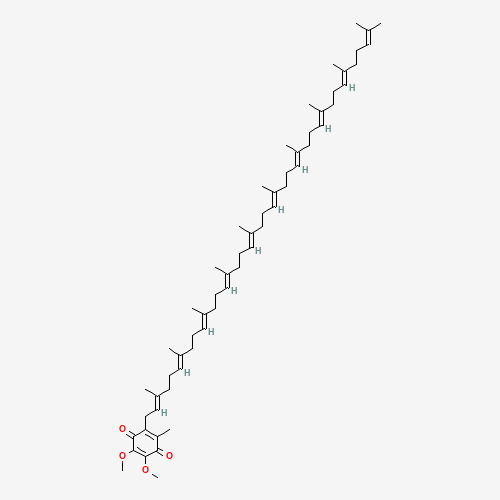
Background
CoQ10 moved from basic biochemistry into mainstream supplement culture because it occupies a compelling intersection of aging, cellular energy, and cardiovascular interest. It remains one of the cleaner examples of a supplement whose mechanistic appeal is legitimate, but whose everyday use still needs better goal-matching than most labels provide.
Evidence snapshot
CoQ10 has better support in targeted contexts such as fatigue and heart failure than in vague general-wellness marketing.
Ubiquinol may achieve higher plasma levels than ubiquinone at matched doses, but that does not automatically mean everyone needs the more expensive form.
People expecting a stimulant-like lift are often disappointed. The meaningful question is whether energy, recovery, or symptom burden improves over time.
Why people feel different on CoQ10
People who report benefit from CoQ10 usually describe less fatigue, steadier recovery, or better tolerance for exertion rather than a stimulant effect. That pattern fits the compound better than the common 'instant energy' framing.
If your baseline energy is already solid and your sleep, calories, and training are in order, CoQ10 may still be reasonable, but the expected effect should be modest.
Ubiquinone versus ubiquinol
Ubiquinone is the oxidized form and ubiquinol is the reduced form. Ubiquinol often produces higher blood levels at matched doses, which is why it is frequently marketed as superior.
The stronger conclusion is narrower: ubiquinol can be more bioavailable, especially in older adults, but ubiquinone still has human outcome data and remains the more economical starting point for many people.
Who should be skeptical
Anyone expecting CoQ10 to compensate for sleep debt, low calorie intake, overtraining, or high alcohol intake should be skeptical. It may support the system, but it does not erase the fundamentals.
That is especially relevant for health-conscious adults who already do many things well. The cleaner the baseline, the more subtle the incremental effect may be.
Compound variations
Ubiquinone
Standard oxidized form used in much of the classical CoQ10 literature and usually the more affordable option.
Common use case
People starting with CoQ10 who want the most economical entry point.
Dosage note
Usually taken with a meal containing fat to improve absorption.
Ubiquinol
Reduced form that often shows higher bioavailability in plasma-level studies and is commonly marketed for older adults.
Common use case
People who want to prioritize absorption or who did not notice much from ubiquinone.
Dosage note
Do not assume higher cost means higher real-world benefit in every case.
Dosage and best practices
Dosage principles
- Typical supplemental use starts around 100 to 200 mg per day, usually taken with a meal containing fat.
- Higher prices for ubiquinol only make sense if the dose, goal, or tolerance issue justifies the upgrade.
- Treat CoQ10 as a multi-week trial, not a one-day performance enhancer.
Best practices
- Take it with a fat-containing meal for absorption.
- Choose one form and dose and keep it stable long enough to judge the effect.
- If the goal is statin tolerance or fatigue, track the exact symptom you want improved rather than rating everything as 'energy'.
Literature and references
Effectiveness of Coenzyme Q10 Supplementation for Reducing Fatigue: A Systematic Review and Meta-Analysis of Randomized Controlled Trials
Front Pharmacol • 2022
Meta-analysis of randomized trials found a statistically significant reduction in fatigue scores, with larger effects at higher doses and longer durations.
Efficacy and safety of coenzyme Q10 in heart failure: a meta-analysis of randomized controlled trials
BMC Cardiovasc Disord • 2024
Found improvements across several heart-failure-related outcomes, reinforcing that CoQ10 evidence is strongest in targeted medical contexts.
Comparison study of plasma coenzyme Q10 levels in healthy subjects supplemented with ubiquinol versus ubiquinone
Clin Pharmacol Drug Dev • 2014
Head-to-head trial showed higher plasma CoQ10 levels after ubiquinol than after ubiquinone at matched dosing.
The biochemical, pathophysiological, and medical aspects of ubiquinone function
Ann N Y Acad Sci • 1998
Classic review covering CoQ10's role in mitochondrial energy transfer and redox biology, useful for grounding mechanism claims.
Common questions
Is ubiquinol always better than ubiquinone?
Not always. Ubiquinol may raise blood levels more efficiently, but the practical choice still depends on age, dose, budget, and whether you have a measurable reason to prefer the pricier form.
Can CoQ10 help with statin-related issues?
It is commonly used for that purpose, but responses vary. It is best treated as a measured experiment with symptom tracking rather than a guaranteed fix.
When should someone stop the trial?
If there is no meaningful benefit after a consistent four- to eight-week run, or if the goal itself was too vague to measure, it is usually better to stop than to keep paying for ambiguity.