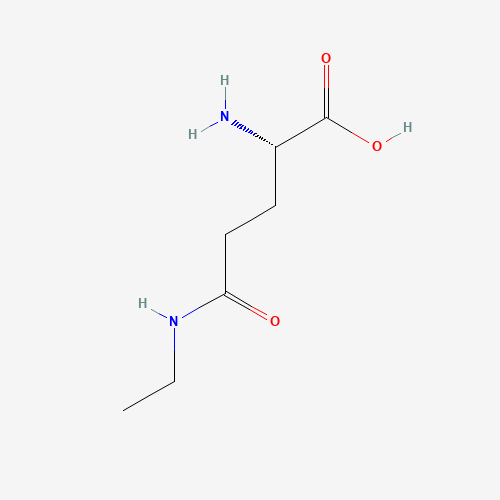
Background
L-theanine became popular outside tea culture because it offered something many supplements claim but few deliver cleanly: a calmer, less jagged mental state. Its reputation has been strengthened by its compatibility with caffeine and by a human evidence base that is modest, but more credible than the typical nootropic marketing layer built around it.
Evidence snapshot
L-theanine is a good fit when the goal is calmer concentration, not sedation or a dramatic mood shift.
Human evidence suggests benefits for stress and selected sleep outcomes, but the effect size is modest and not universally conclusive across cognitive tests.
The supplement tends to work best when someone already knows what they are trying to smooth out: caffeine jitters, meeting-heavy tension, or bedtime mental overactivation.
Best use case: calm focus
The best L-theanine use case is the person who can focus but does it with too much tension. That includes people who feel mentally sharp but physiologically overamped, especially when caffeine is involved.
It is a weaker fit for someone looking for motivation, drive, or a dramatic mood lift. The compound is better at smoothing edges than creating thrust.
Sleep support only works in the right context
L-theanine can help sleep when stress and cognitive overactivation are part of the problem. It is much less compelling if poor sleep is mainly driven by pain, obstructive sleep apnea, alcohol, or unstable schedules.
That is why it helps to frame L-theanine as a stress-linked sleep tool rather than a universal sleep supplement.
How to judge whether it is worth keeping
Judge L-theanine by the quality of a work block, a stressful afternoon, or the mental feel of bedtime. If nothing changes in those settings, the supplement probably is not doing enough to justify a permanent slot.
This is especially relevant for a health-conscious audience that already tends to over-stack gentle compounds that all feel plausible but never prove themselves.
Dosage and best practices
Dosage principles
- Acute use often starts around 100 to 200 mg, while multi-week trials commonly use 200 to 400 mg per day.
- If pairing with caffeine, keep the caffeine dose stable so you can tell what theanine is actually doing.
- Do not mistake subtlety for failure; this compound is often more about reducing friction than creating a noticeable high.
Best practices
- Use it on the kind of day you actually want help with, such as desk-heavy work or pre-bed cognitive overactivation.
- Pair it with fewer variables instead of stacking three other calming compounds at the same time.
- Track whether it improves the quality of attention, not just whether it makes you feel different.
Literature and references
Effects of L-Theanine Administration on Stress-Related Symptoms and Cognitive Functions in Healthy Adults: A Randomized Controlled Trial
Nutrients • 2019
Four-week randomized trial in healthy adults reported improvements in stress-related scores, sleep-quality measures, and selected cognitive tests at 200 mg per day.
The Effects of Green Tea Amino Acid L-Theanine Consumption on the Ability to Manage Stress and Anxiety Levels: a Systematic Review
Plant Foods Hum Nutr • 2020
Systematic review concluded that 200 to 400 mg per day may help reduce stress and anxiety in people exposed to stressful conditions.
The effects of L-theanine consumption on sleep outcomes: A systematic review and meta-analysis
Sleep Med Rev • 2025
Meta-analysis found modest improvements in subjective sleep onset latency, daytime dysfunction, and overall sleep quality.
Promising, but Not Completely Conclusive-The Effect of l-Theanine on Cognitive Performance Based on the Systematic Review and Meta-Analysis of Randomized Placebo-Controlled Clinical Trials
J Clin Med • 2025
Recent meta-analysis suggests possible benefits in specific cognitive domains, while emphasizing that the evidence is still mixed and limited.
Common questions
Does L-theanine make you sleepy?
Not usually in the way a sedative does. Most people describe it as calming or smoothing, not knocking them out. If it improves sleep, it is often by lowering mental tension rather than forcing drowsiness.
Is it better with caffeine or on its own?
Both can work. Pairing with caffeine makes sense if the goal is reducing jitter or friction. Solo use makes sense if the goal is calmer evenings or a lower-stimulation workday.
Who is a poor fit for L-theanine?
Someone who needs stronger clinical help for anxiety, someone expecting a stimulant effect, or someone who already feels underactivated and might dislike any additional calming influence.